August 27, 2026
An air conditioner is expected to provide consistent comfort throughout the warmer months, but recurring problems can make that expectation difficult to maintain. When a cooling system repeatedly struggles, stops working, or requires professional attention, the underlying cause may involve several different factors. Understanding why these problems develop can help homeowners recognize the importance of professional service and ongoing system care.
Frequent breakdowns do not always mean the same component is failing repeatedly. An aging system, restricted airflow, electrical problems, refrigerant concerns, poor installation, and inadequate maintenance can all contribute to performance issues. Professional technicians can evaluate the complete system instead of focusing only on the most obvious symptom. This broader approach can help identify contributing conditions and determine the appropriate solution.
Understanding System Age
Age is one of the most common factors behind recurring cooling problems. Air conditioners operate through repeated cycles, and years of operation can place gradual wear on motors, electrical components, fans, coils, and other parts. As equipment becomes older, individual components may begin requiring more frequent professional attention.
An older system may also use technology that is less efficient than newer equipment. Even when repairs restore operation, repeated component failures can indicate that the system is experiencing broader age-related deterioration. A professional assessment can help homeowners understand whether ongoing service is addressing isolated problems or whether the equipment is approaching the point where replacement should be considered.
Addressing Restricted Airflow
Airflow plays a major role in how effectively an air conditioner distributes cooled air throughout a home. When air movement becomes restricted, the system may have difficulty maintaining comfortable indoor temperatures. Restricted airflow can also cause the equipment to operate under greater strain, potentially contributing to premature wear.
Problems affecting airflow can involve several portions of the system, including ductwork, filters, blower components, or other accessible equipment. Professional technicians can evaluate the system to determine where airflow is being reduced. Addressing the underlying restriction can help the system operate more effectively and may reduce the likelihood of recurring performance problems.
Identifying Refrigerant Problems
Refrigerant is essential to the cooling process, so problems involving refrigerant levels or the system's sealed components can affect performance significantly. A system that does not have the appropriate refrigerant charge may struggle to remove heat effectively. Homeowners may notice that the air conditioner runs for extended periods without producing the expected level of cooling.
Refrigerant concerns should receive professional evaluation because the underlying cause needs to be identified. Simply addressing a symptom may not resolve the condition if there is an underlying leak or another system issue. Professional
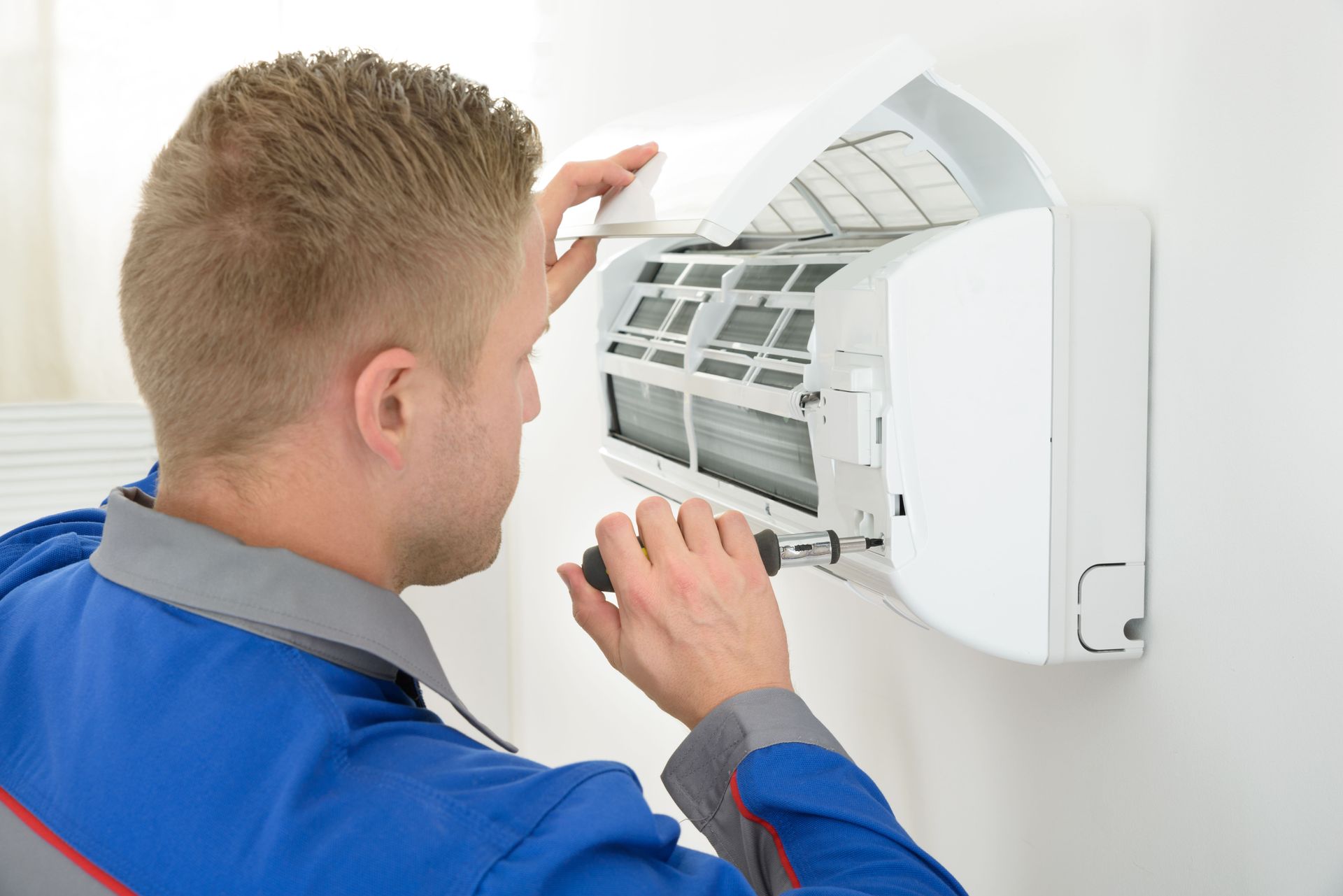
air conditioner repair can help determine what is affecting cooling performance and what type of service the equipment requires.
Evaluating Electrical Components
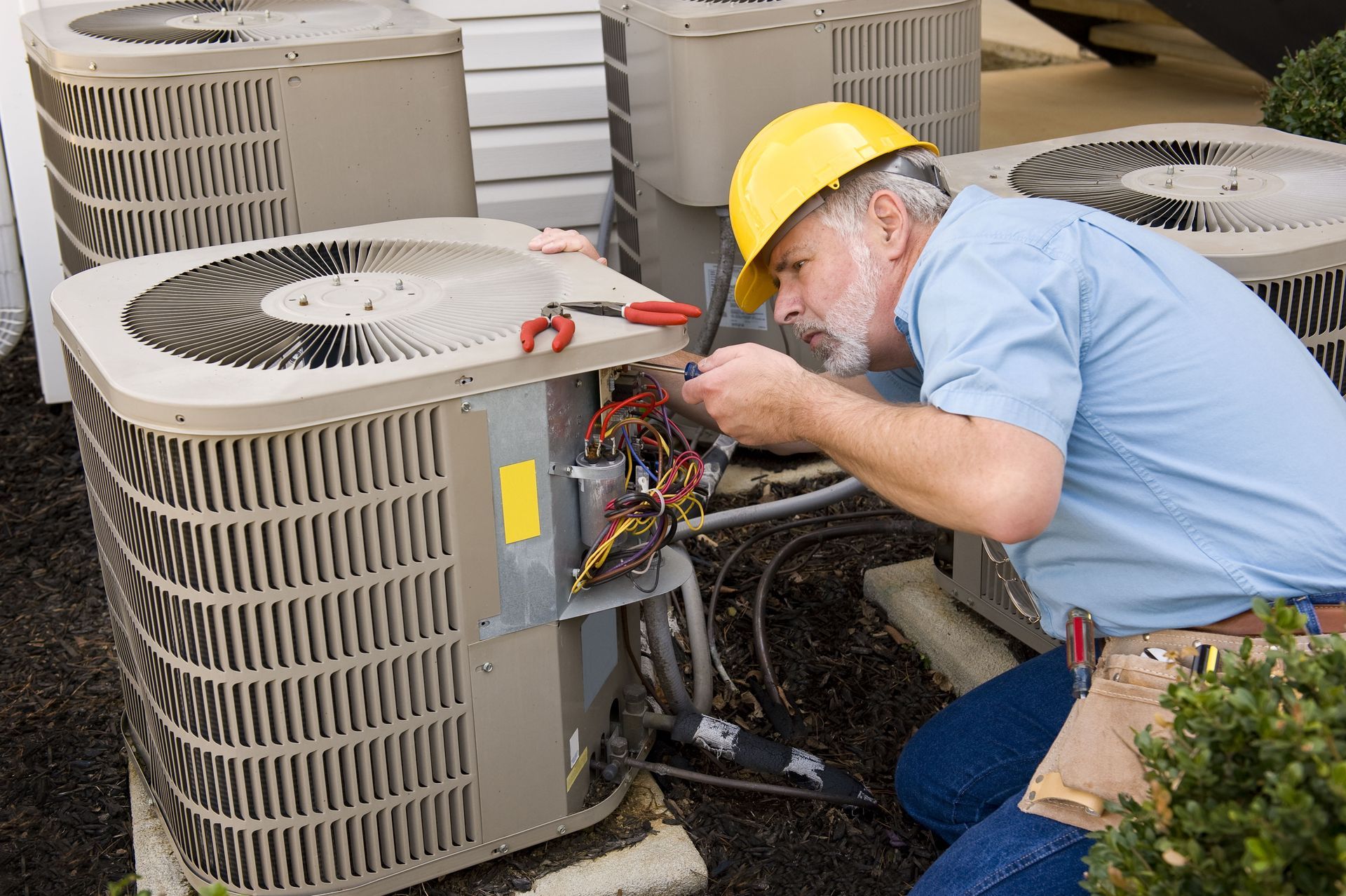
Air conditioners depend on electrical components to power motors, control operation, and coordinate different parts of the system. Problems involving wiring, capacitors, contactors, controls, or other electrical components can cause intermittent operation or complete system shutdowns. Repeated electrical failures may indicate an underlying issue that needs more comprehensive attention.
A professional technician can inspect the relevant components and evaluate how the system is operating. Electrical problems can affect both reliability and system performance, making professional assessment particularly important. Addressing the underlying condition can help reduce repeated interruptions and support more dependable cooling.
Correcting Poor Installation
The way an air conditioner is installed can influence its long-term performance. Equipment that is incorrectly sized, improperly connected, or inadequately configured may struggle to operate as intended. Even a quality system can experience recurring problems if installation issues interfere with normal operation.
Professional evaluation can help determine whether installation-related conditions are contributing to repeated service needs. According to This Old House, most air conditioning systems can effectively lower the outdoor temperature by no more than about 20 degrees inside a home. When expectations or system performance fall outside reasonable limits, a professional can assess whether equipment selection, installation, or another factor may be involved.
Maintaining Clean System Components
Accumulated dirt and debris can affect components throughout an air conditioning system. When coils, blower components, or other areas become excessively dirty, the equipment may have to work harder to move air and transfer heat. Over time, this additional strain can contribute to performance problems and recurring service needs.
Regular professional maintenance can help identify conditions that interfere with normal operation. Technicians can inspect the system and determine whether components require professional cleaning or other attention. Keeping equipment in appropriate condition can support more consistent performance and help identify developing problems before they become major disruptions.
Managing Condensation Concerns
Air conditioners naturally remove moisture from indoor air as they cool the home. That moisture must be properly collected and drained through the system. If drainage components become obstructed or otherwise malfunction, water may accumulate in areas where it does not belong.
Condensation problems can create more than an inconvenience. Persistent moisture around equipment or other parts of the property may contribute to additional damage if the underlying condition is not addressed. Professional service can identify drainage-related concerns and determine what is interfering with proper condensate removal. Resolving the source can help protect both system operation and surrounding areas.
Monitoring Thermostat Performance
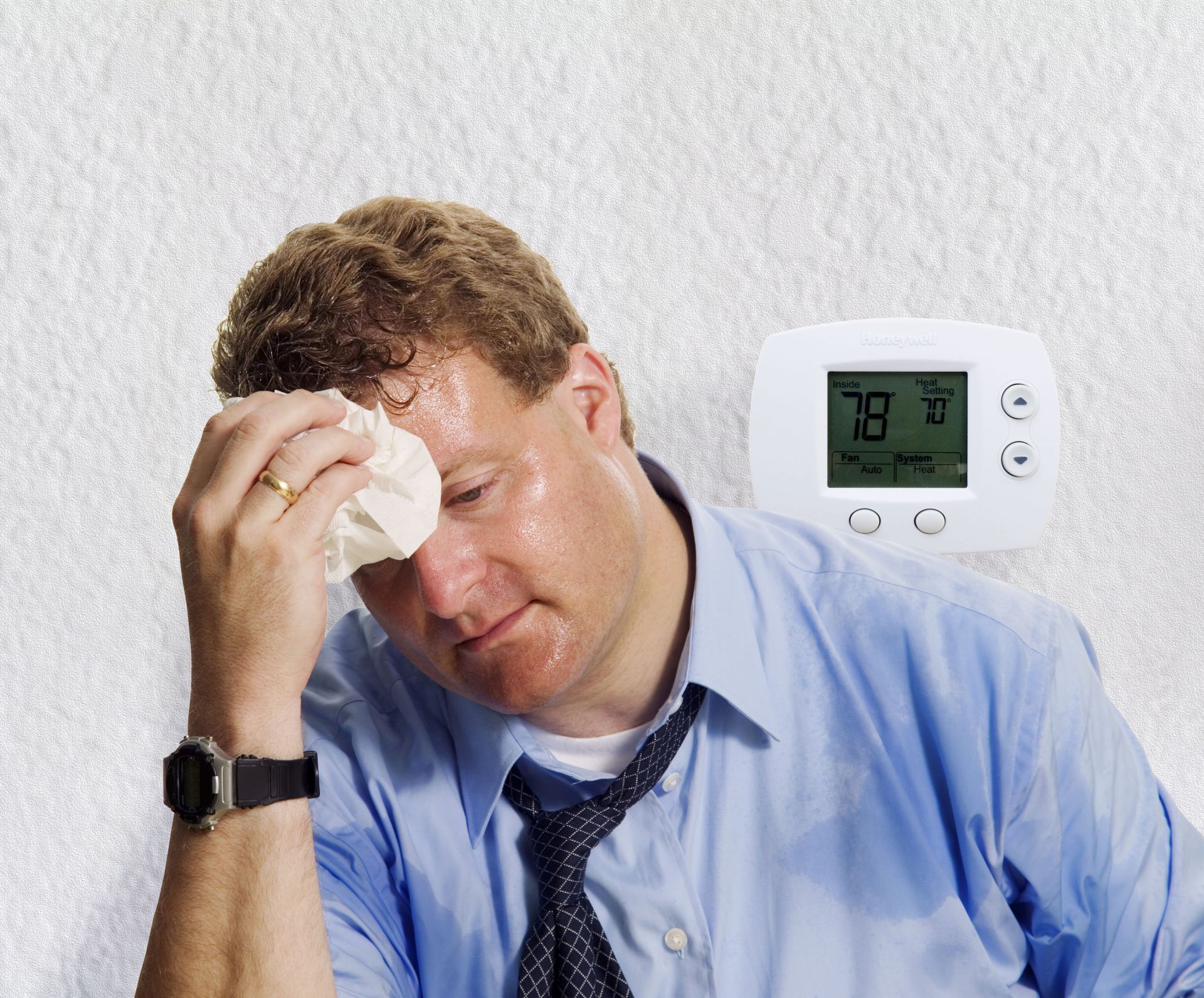
The thermostat controls when the air conditioner operates and communicates temperature information to the system. If the thermostat is malfunctioning, incorrectly positioned, or otherwise not communicating properly, the system may cycle inappropriately or fail to maintain the desired temperature. These problems can sometimes appear to be larger equipment failures.
Professional technicians can evaluate thermostat operation as part of a broader system assessment. They can determine whether the controls are responding appropriately and whether another issue is affecting communication with the equipment. Accurate temperature control can help the system operate according to household needs while avoiding unnecessary cycling.
Recognizing Frequent Cycling
An air conditioner that repeatedly turns on and off over short periods may be experiencing a condition known as short cycling. This can interfere with efficient operation and prevent the system from completing normal cooling cycles. Repeated cycling may also place additional stress on certain components.
Several factors can contribute to cycling problems, including thermostat issues, airflow restrictions, equipment sizing, and other system conditions. Because the symptom can have multiple potential causes, professional diagnosis is important. Addressing the actual reason for the cycling can help restore more appropriate operation and reduce unnecessary strain.
Addressing Aging Ductwork
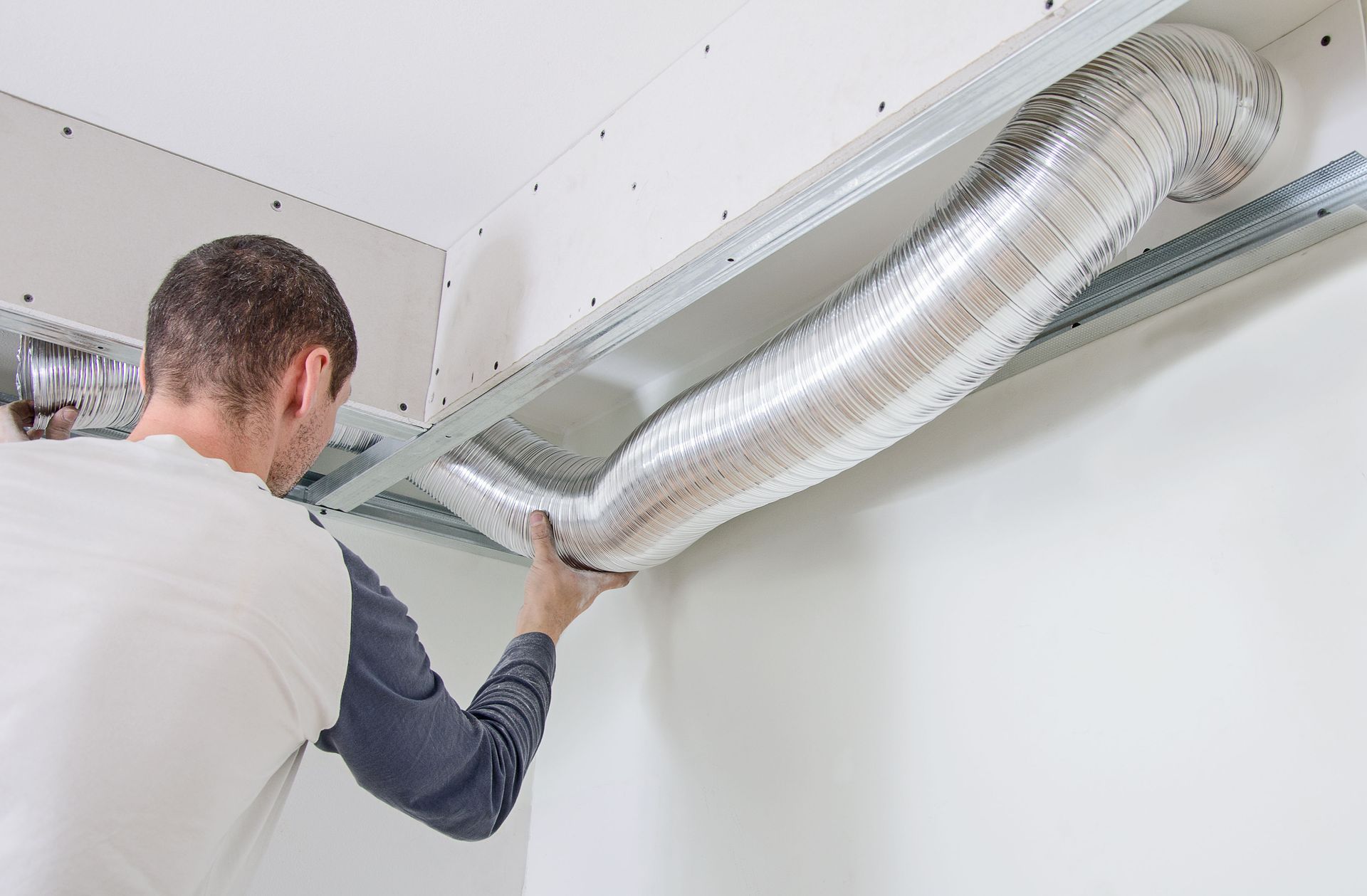
The duct system plays an important role in moving conditioned air throughout the home. Damaged, disconnected, poorly configured, or inadequately sealed ductwork can affect how effectively cooled air reaches different rooms. Uneven temperatures throughout the home may sometimes point to problems beyond the air conditioning equipment itself.
Professional technicians can evaluate accessible ductwork and consider whether distribution issues are affecting system performance. Addressing duct-related conditions can help improve airflow and temperature consistency. This can also reduce the tendency for homeowners to rely on repeated equipment service when the actual concern involves how conditioned air moves through the property.
Scheduling Professional Maintenance
Preventive maintenance can help identify developing problems before they result in repeated breakdowns. Professional inspections allow technicians to examine system components, evaluate performance, and identify conditions that may require attention. Maintenance can also provide an opportunity to assess whether the equipment is operating appropriately for the home's cooling demands.
At Burke Heating and Air, we help homeowners address cooling problems with professional service focused on system performance and reliability. Our team can evaluate your equipment, identify contributing issues, and provide solutions designed around your home's specific cooling needs. Contact Burke Heating and Air today to schedule professional service and take the next step toward dependable indoor comfort.